If your extension, garage or dormer has a tired flat roof, you'll quickly hear three options: EPDM, GRP and felt. All three can do a good job. Here's how they compare.
EPDM (rubber)
EPDM is a synthetic rubber membrane, usually laid as a single sheet bonded to the deck. On most domestic roofs that means few or no joints.
- Pros: flexible, copes well with temperature changes, quick to install, no naked flames needed.
- Cons: detailing around lots of penetrations needs care; the finish is a plain black rubber look.
GRP (fibreglass)
GRP is glass-reinforced polyester resin laid in layers on site, then finished with a topcoat. It cures into a hard, seamless surface.
- Pros: seamless, hard-wearing, good for roofs with foot traffic and fiddly details, available in different colours.
- Cons: weather-sensitive to install (needs dry conditions), and can crack if the deck moves.
Torch-on felt
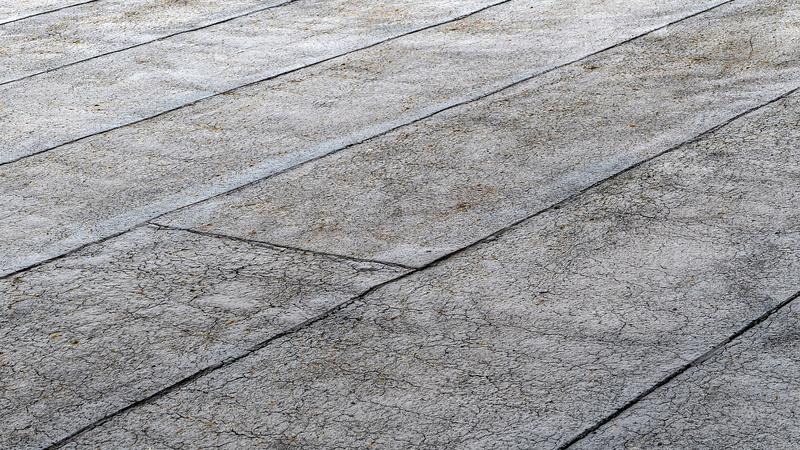
Modern felt roofs are multi-layer systems, typically a base layer and a mineral-finished cap sheet, bonded with heat. They're far better than the old single-layer felt many of us remember.
- Pros: well proven, cost-effective, easy to repair.
- Cons: involves naked flames (installers need to take fire precautions), more joints than EPDM.
What matters more than the material
Whichever system you choose, the things that make a flat roof last are a sound, dry deck; proper falls so water doesn't sit; good detailing at upstands, outlets and edges; and adequate insulation and ventilation. A cheap overlay on a rotten deck won't last, whatever the membrane.
Warm roof or cold roof?
When replacing a flat roof over a heated room, it's often worth upgrading to a warm roof, with insulation above the deck. It reduces condensation risk and usually helps meet Building Regulations.
Which should you choose?
For a straightforward garage or extension, EPDM is often a great choice. For a roof you'll walk on, or one with lots of details, GRP shines. Felt remains a solid, budget-friendly option. Read more about our flat roofing or get a quote.